
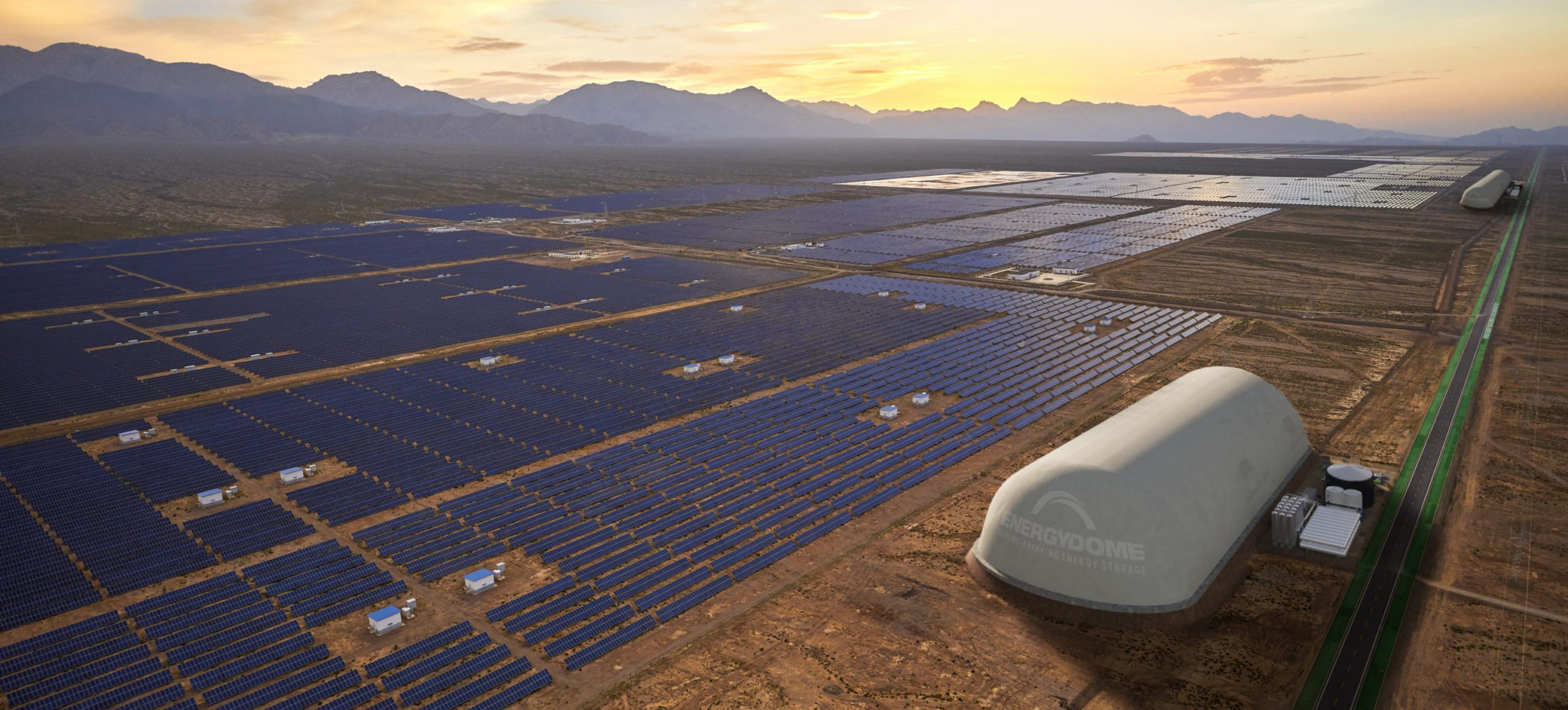
The transition to a sustainable energy future is upon us. As the world strives to reduce its reliance on fossil fuels and embrace cleaner energy sources, the integration of renewable energy is gaining momentum. Solar panels and wind turbines have become common sights, harnessing the power of the sun and the wind to generate electricity. However, one significant challenge remains: how to ensure a consistent energy supply when the sun isn’t shining and the wind isn’t blowing.
The Challenge of Intermittent Energy Sources
Renewable energy sources, while abundant and environmentally friendly, are inherently intermittent. Solar panels only generate electricity during daylight hours, and wind turbines produce power when the wind is blowing. The inconsistency in energy production from these sources poses a challenge to the stability of the electrical grid. To address this, the world needs a reliable energy storage solution that can store excess energy during periods of abundance and release it when needed.
Long Duration Energy Storage (LDES)
Long Duration Energy Storage (LDES) is the answer to this challenge. LDES technologies are designed to store electrical energy for extended periods, ranging from hours to days or even weeks. Unlike short-term energy storage solutions like lithium-ion batteries, which are ideal for rapid and short-term energy release, LDES solutions focus on sustaining energy provision during extended periods of low or no energy production.
Key Benefits of LDES
- Grid Reliability: LDES solutions play a crucial role in preserving the reliability of the electrical grid. By storing excess energy during periods of high renewable energy production, they ensure a continuous power supply, even when the primary energy sources are unavailable.
- Enhanced Energy Independence: LDES enables regions and communities to reduce their dependence on traditional fossil fuel power plants. By storing renewable energy, they can rely on cleaner and more sustainable energy sources, even during adverse weather conditions.
- Integration of More Renewable Sources: LDES technologies allow for the integration of a greater variety of renewable energy sources, such as solar and wind, by addressing their intermittent nature. This paves the way for more extensive renewable energy deployments.
- Reduced Greenhouse Gas Emissions: By decreasing reliance on fossil fuels and promoting the use of renewable energy sources, LDES solutions help reduce greenhouse gas emissions, contributing to a healthier planet and combatting climate change.
Types of Long Duration Energy Storage
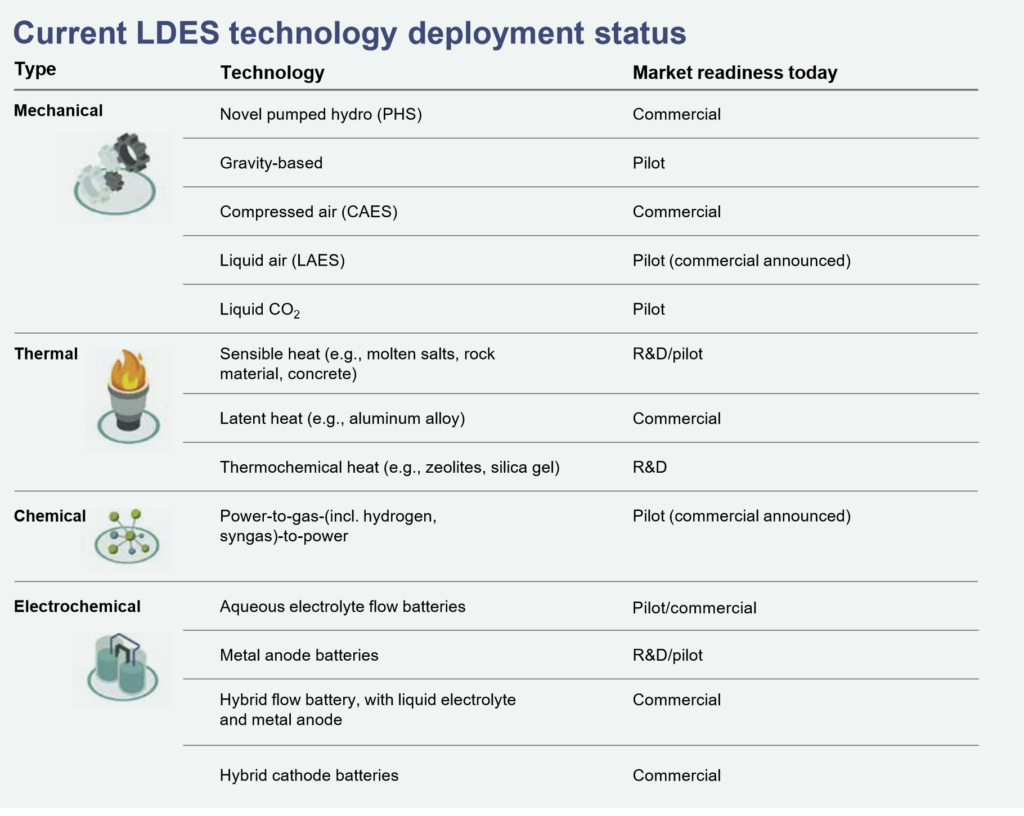
Several technologies have emerged as viable options for long-duration energy storage. Some of the most promising include:
- 1. Pumped Hydro Storage: This technology involves using surplus energy to pump water from a lower reservoir to an upper reservoir. When energy is needed, the water is released back to the lower reservoir, driving turbines to generate electricity. Pumped hydro storage is a mature and efficient LDES technology.
- 2. Compressed Air Energy Storage (CAES): CAES systems store surplus electricity by compressing air and storing it in underground caverns. When electricity is required, the compressed air is released, expanding and driving generators to produce electricity.
- 3. Thermal Energy Storage: This technology stores excess energy as heat. It can use a variety of materials, including molten salts or phase change materials, to store heat. The stored thermal energy can then be converted back into electricity when needed.
- 4. Flow Battery Systems: Flow batteries use chemical reactions to store and release electricity. They offer scalability and long cycle life, making them suitable for LDES applications.
The Future of LDES
Long Duration Energy Storage is poised to play a pivotal role in shaping a sustainable energy future. As the world continues its shift toward renewable energy sources, the integration of LDES technologies will become increasingly important. Governments, utilities, and private companies are investing in research and development to make LDES solutions more cost-effective and accessible.
The adoption of LDES technologies not only ensures a consistent power supply but also contributes to the reduction of greenhouse gas emissions and the fight against climate change. As these technologies advance, we can look forward to a future where clean energy is not only abundant but also available whenever we need it.
In conclusion, Long Duration Energy Storage is the missing link in the transition to a sustainable and reliable energy grid. As technology continues to evolve, we can expect LDES solutions to become more efficient and widespread, playing a vital role in our journey toward a greener and more sustainable planet.
XStructure’s genesis project will leverage this technology to capture wind farm energy generation spikes in the Western Cape of up to 4GW, that are currently curtailed. This is enough to end load shedding in the Western Cape. Stay tuned as we release more details.