
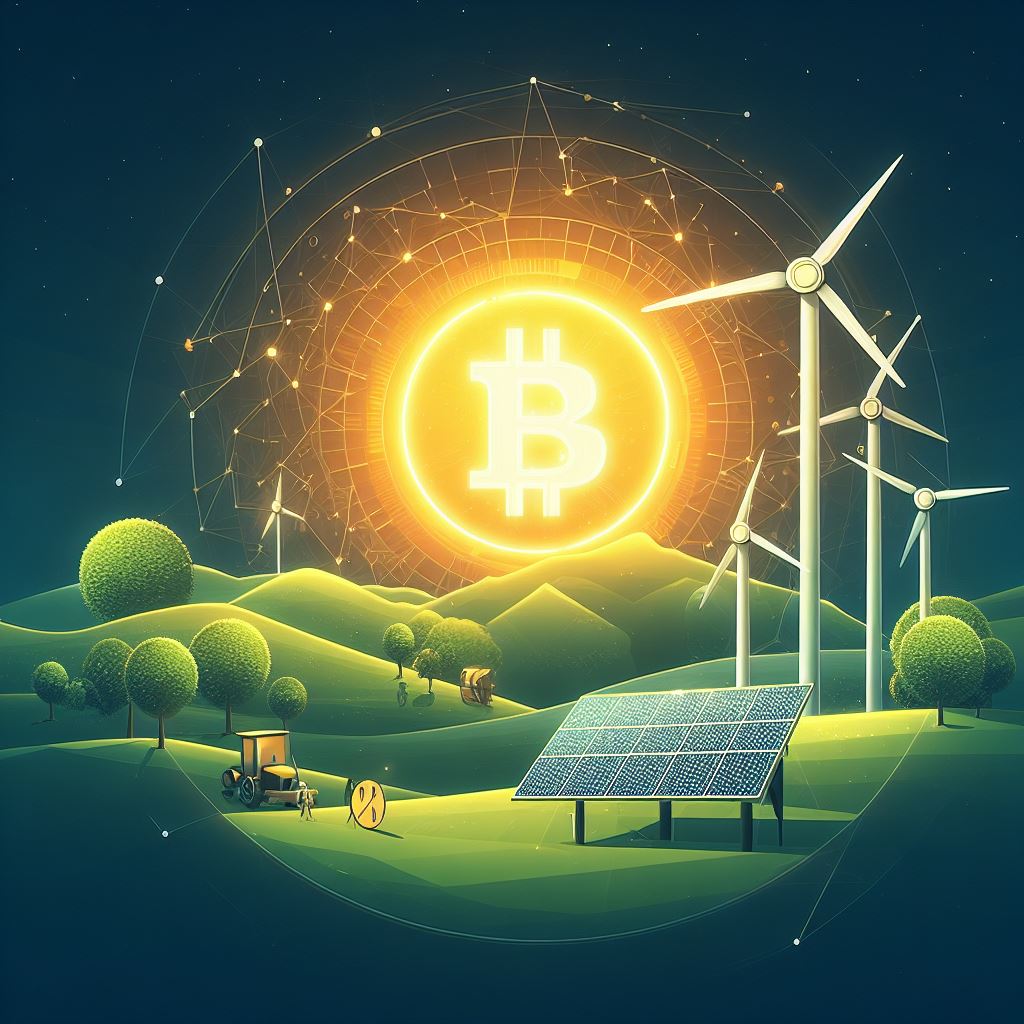
Bitcoin mining is the process of validating transactions on the Bitcoin network and creating new bitcoins. It requires a lot of computing power and energy, which has raised concerns about its environmental impact. However, studies suggest that Bitcoin mining has positive effects for renewable energy sources, such as solar, wind and hydro. Here are some of the benefits of Bitcoin mining for renewable energy:
- Bitcoin mining can create a demand for excess or stranded renewable energy that would otherwise be wasted or underutilized. For example, some regions have abundant solar or wind power during certain times of the day or seasons, but not enough demand or storage capacity to use it all. Bitcoin miners can set up their operations in these areas and use the cheap and clean energy to mine bitcoins, while also providing a revenue stream for the renewable energy producers.
- Bitcoin mining can incentivize the development and innovation of renewable energy technologies and infrastructure. By creating a market for renewable energy, Bitcoin mining can attract more investment and research into improving the efficiency, reliability and scalability of renewable energy sources. This can also lower the costs and barriers of entry for renewable energy adoption, making it more accessible and affordable for consumers and businesses.
- Bitcoin mining can support the transition to a decentralized and resilient energy system. Unlike traditional energy grids that rely on centralized and vulnerable power plants and transmission lines, Bitcoin mining can operate on a distributed and peer-to-peer network that is more resilient to natural disasters, cyberattacks and political interference. Bitcoin mining can also enable users to have more control and choice over their energy sources, as they can choose to mine bitcoins with the energy that aligns with their preferences and values.
XStructure has plans to combine renewable energy projects with Bitcoin mining rigs, utilising Molten Salt storage as the heat capture from mining operations.